There is absolutely no doubt in anyone’s mind at this point that the Middle East is the sand box for eco-architects and designers who wish to incorporate green designs with fluid forms, creating structures of beauty, utility and majesty. Since there’s a demand for unique, astonishing and eco-friendly buildings, the Helix Hotel is just one of those.

Designed by Leeser Architects and forming a captivating corkscrew from top to bottom with no clear breaks, the entire structure garners green energy from both the sun and the wind, and flows from retail and residential to hotel suites and saunas. All set to take shape in Abu Dhabi, the specially designed GROW panels made from 100% recyclable polyethylene on the exterior of the Helix Hotel will harness both solar and wind energy for the power needs inside.


And all these are being put together, while a spectacular ocean-fed waterfall in the atrium will help maintain interior climate and humidity levels! Add to this the fact that no two rooms of this 280-roomed building will be alike and you have a one-of-a-kind hotel that merges green function with sizzling form…
Another jewel in the crown of Dubai, eh? [via Inhabitat]


The nation that leads the world on energy will be the nation that will lead the world in the 21st century— or at least that’s the clear message emanating from the White House.
Investing in the technology and energy of the future, President Barrack Obama unveiled a $2.4 billion dollar boost for electric vehicle development in the US and urged the industry to help reduce the nation’s reliance on other nations for its energy needs in the form of oil imports. (And increase dependency on Japanese batteries, one asks?)

Innocent and so very green ...
Speeching at the unveiling of the green package, Obama talked about how the German’s were leading the world in solar power and Spain producing 30-percent of its energy from windmills.
The aim of the package is obviously to encourage more green vehicles on the road— there’s a target for a million eco-friendly vehicles on US roads by 2015. Not content in giving the green movement a thrust from the production side alone, President Obama also declared a $7,500 dollar tax credit to consumers willing to buy plug-in vehicles.
Split up into $1.5 billion to manufacturers who produce highly efficient batteries and $500 million for firms that produce other components, this is all about creating future roads with zero-emissions. And maybe some green jobs?
Image by simeon_barkas

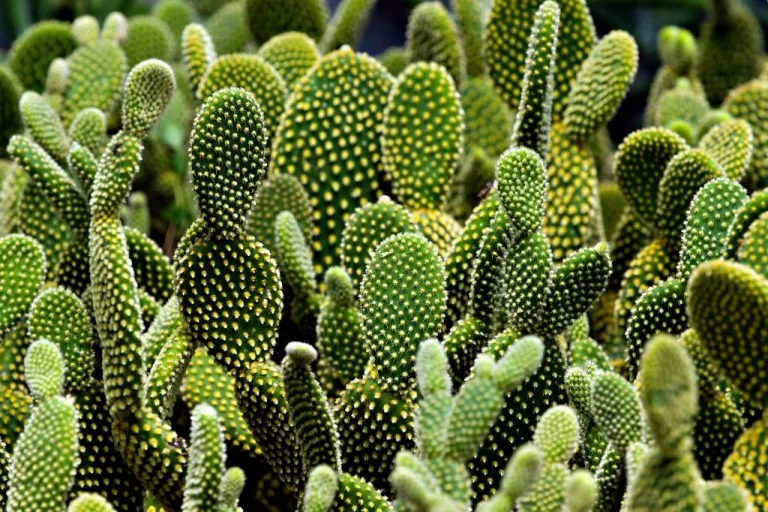
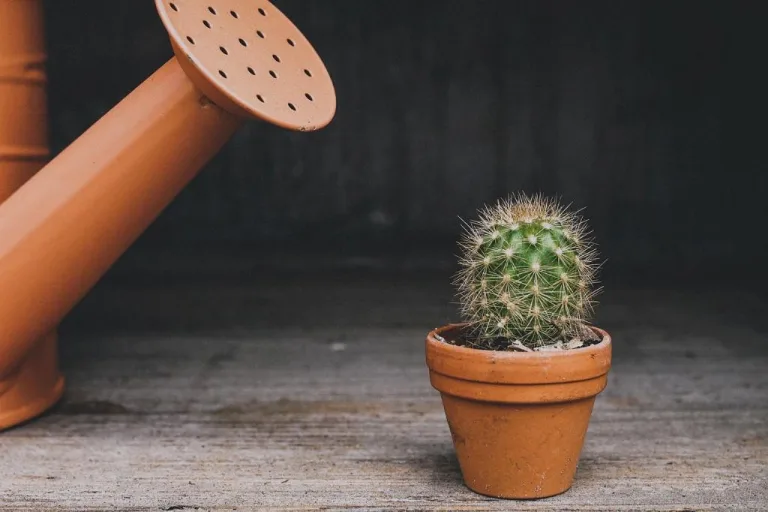
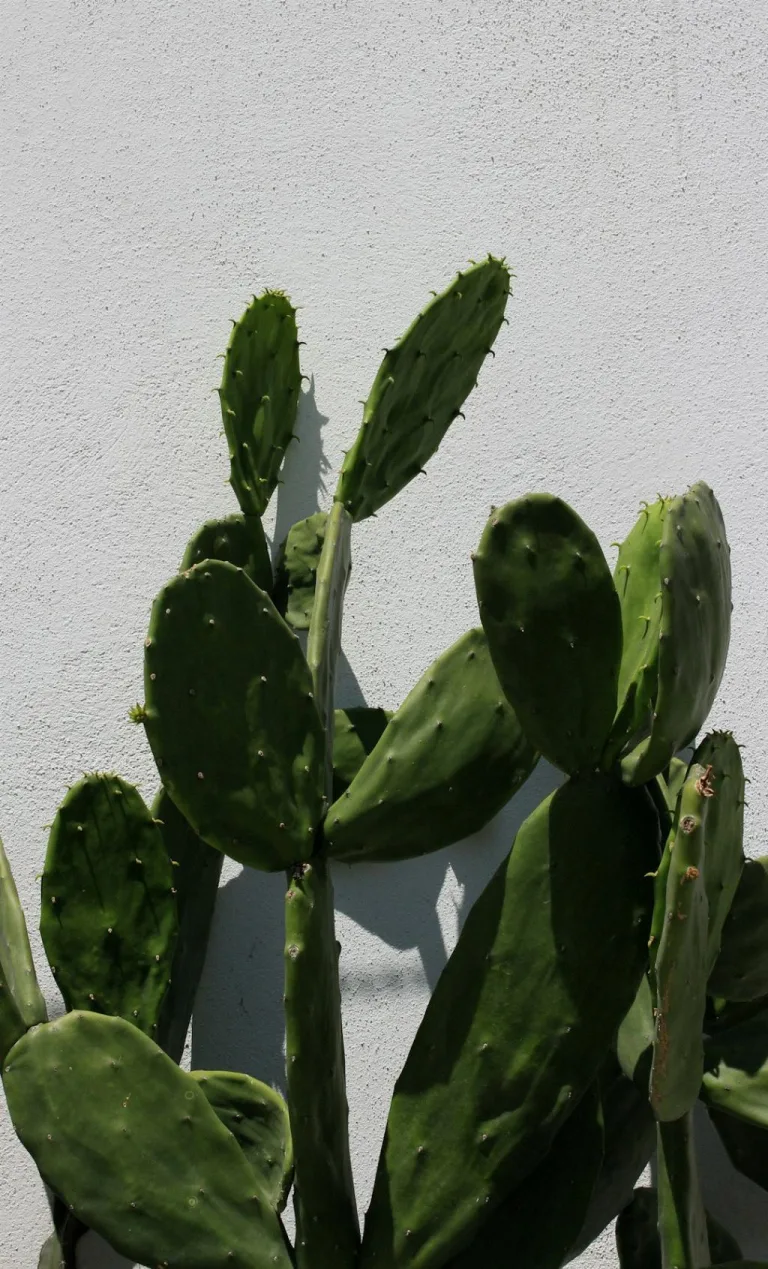
A relatively new science that studies nature and its perfectness, biomimicry is catching on big time in the architecture domain. And the latest to transform a fleshy design into steel and concrete are the folks at Bangkok-based Aesthetics Architects. The company is in charge for designing and building the new office for the Minister of Municipal Affairs & Agriculture (MMAA) in Qatar. Hence they have given a blueprint that rivals every cactus in the country, in terms of sheer size and grandeur.


To take shape in the dry and arid Qatar, the building is shaped much like a prickly cactus that does all it can to keep the sun out and store the water. The structure uses sun shades on its windows, which can open or close to keep out the heat as per the requirements throughout the day or night.

Since the days get really hot and nights are pretty cold, the technology helps regulate the temperature inside. This sure saves a hell lot of money, but its is the energy it saves that makes the cactus skyscraper an amazing— as money is not an issue, especially considering Qatar has the highest GDP in the world.
Does it beat the wind-powered rotating skyscraper in Dubai? What do you think?


Via: Design Boom
Some 35 years ago, New York based Bates Masi + Architects designed a vacation home in Amagansett, Long Island. But when the couple who owned the house wanted to bring a more contemporary facelift to their house, they’ve been commissioned once again.

The home largely clad in wood was redone with an enlarged kitchen and dining areas, revitalized bathrooms and refinished floors, ceiling and walls. All this was done in such a refined and eco-friendly manner that they ended up bagging the 2008 Peconic Honor Award for Architecture/Renovations & Additions.
To expand and rebuild the new extension, the talented architects used salvaged cypress wood from the South wall and deck for the new siding, stair treads and risers. That allowed for a complete reuse of all the materials in the previous construction, reduced costs and saved on tons of wood. And also, it looks like the old spirit of the home was integrated with its new extension.


The intelligent design, smart use of materials and the seamless merger of the old and new elements, make the Re-Cover home a delight for both designers and environmentalists alike. [greenbuildingsNYC via Inhabitat]

South-East Asia may be the next best sandbox available for eco-friendly architects. After Dubai, Taiwan is embracing that green wave of change with a new and enterprising structure that will soon become the imposing headquarters of Chinatrust Bank.

Designed by the Los Angeles office of NBBJ along with local architects from Fei & Cheng Associates, the structure is set for completion in 2012. When all done, it will incorporate the best of traditional Chinese design with green features to create an ambient and tranquil atmosphere that saves on energy immensely.


The Chinatrust Bank development will consist of a 30-story headquarters building, a 21-story commercial office building, a 10-story hotel, and a four-level retail center. But the brilliant-green aspect is that it will incorporate eco-friendly aspects such as podium covered in lush roof gardens, that helps reducing rainwater runoff and urban-heat-island effect. And although it doesn’t make the structure a zero-energy building, it’s still “enough” (never enough, eh?) to make it the Taiwanese equivalent of a LEED-NC Gold rating.

With skylights, floor-to-ceiling windows and optimized natural lighting options, much of the energy otherwise wasted for artificial lighting is cut out. It seems only natural that more and more office structures and home edifices are opting for such features as they save both on carbon emissions and lowered power bills.
Taiwan is taking steps further. There is inspiration and creativity, there is hope!
In case you liked the green wall in Madrid, here’s something that breaks the conventionality. Blending with the trees and the nearby green, here’s a creative design by Parisian-based architects from R&Sie Architects who turned a concrete house into a living home.

Dubbed the Lost in Paris House, here’s a 130 sqm structure has been covered with more than 1,200 ferns that draw all their needs from some 300 traditional glass-blown beakers filled with a chemical mixture of bacteria, nutrients, and rainwater. Nothing short of breathtaking, Lost in Paris had to deal with the French planning rules for five years before turning into the creepy city rain-forest you see in here.


It sure brings the concept of the vertical garden to a new height. [StyleCrave via Wallpaper]


One of three finalists in this year’s Evolo Skyscraper Competition, Eric Vergne’s Dystopian Farm project is a spiraling biomorphic structure. A building that floors you with its structural integrity and the used methods that combine green solutions with modern urban life.

Using the concept of vertical farming and blending with the vibrant design patterns, the blueprint provided by Eric is a future vision of how the food production sector will look like. With cities expanding outwards, agricultural land shrinking and the number of mouths required to feed – growing geometrically, it is high time such solutions are tried out.


Designed for the Hudson Yard area of Manhattan, the dynamic social space conjured up by Eric is a hub which houses farms, residential areas, and markets. By using revolutionary systems – the airoponic watering technology, nutrient technology, controlled lighting and CO2 levels, the structure will both produce food for thousands and will house a self-sustained ecosystem inside it. This will obviously also clean up the pollution in urban areas to a certain degree and will add to the green factor in general.

While the design and the technology it employs looks way ahead of its time, it may not be far till we actually start using similar vertical farms in the heart of major cities.
What do you think?
In what is being hailed as a major step towards going green in the developing world, Bharat Renewable Energy, a joint venture between Bharat Petroleum Corporation and Nandan Biomatrix, announced they will build 10 new biodiesel refineries in India.

Jatropha Field in Uttar Pradesh
Considering that green initiatives are few and far in-between in this part of the world, the announcement has already assumed great significance. The $428 million project will initially be concentrated around the Kanpur, Jhansi, Laltpur, Chitrakoot, and Sultanpur districts of Uttar Pradesh.
According to the sources in the country, the nation wants biofuel to account for 20% of its total gasoline fuel production. While that is still a long way to go, the company will use jatropha as the main source of raw material and promises that the newly added plants will contribute 270 million gallons of biofuel by 2015. And what’s even better, the production will not affect the food crops, as the plant is a common weed easily found in the region.
We can only hope that nations like India and China are really taking steps in the green direction, as both nations contribute plenty in terms of global carbon emissions each year.
[via TreeHugger]
There are many who will take a quick look at anything wooden and start shouting it’s not planet-friendly because it means trees are being chopped down, but most of the time renowned furniture companies use cultivate and replant their own. Carefully made out of Western Red Cedar wood, the enchanting hot tub you see in here, sure brings comfort to your senses. And it’s “green”.

Designed and sold by SeaOtter WoodWorks, these hot tubs employ the usage of only natural material along with a natural wooden heater that has a host of comforting features for you. Complete with cover, electric or gas heater, jets, filter and benches, the Wooden Cedar hot tub coaxes you with its natural goodness and the simple elegance of its design. You can either put it on a deck in the open or in your bathroom.
Available in oval and circular shapes and a range of sizes, this is also a lot cheaper than those stylish, bland designs offered by many. If you love being close to nature, you will relish a dip in these for sure!
[via Trendir]
And, who says the Creator doesn’t have a sense of humor? Or, a sense of variety for that matter?
There was a certain Zoology professor who challenged his class to create a new creature. The group came up with a horse that could fly, climb trees, change color and dive.
The prof failed them. “You all didn’t create a new creature, you just rearranged the creatures we already have.”
In Colombia, ten new amphibian species were discovered – three kinds of poisonous frogs and three transparent-skinned glass frogs were found. One new salamander was discovered. Lose some, find some, perhaps. It doesn’t mean that new species were made, just that we finally found them.
The nymphargus genus -
The pristimantis genus -
What’s the big deal about amphibians? Amphibians have permeable skin which is exposed directly to the elements. The critters can offer early warnings about the impact of environmental degradation and climate change.
So, what’s it mean when we are finding new such friends?