Archive for the ‘Plants’ Category

Friday
Oct 2,2009

Lumo Rio2016_Olympic BeachVenue_40_1Brazilians have planted some 46,000 trees to neutralize all of the carbon emitted during Rio de Janeiro’s bid to host the 2016 Olympic and Paralympic Games.

In fact, concern for the environment is one of the pillars of the Rio 2016 bid, and the saplings are part of the state government’s “Rio 2016 Zero Carbon” project. In all, Rio 2016 will offset 716 tons of carbon relative to the period September 2007 to October 2009.

(more…)

If you're new here and you like our articles, how about subscribing free for our updates via RSS feed.

Friday
Apr 24,2009

Arbor Day has been around for 137 years! Unfortunately, deforestation, though less ancient is winning out over the ideals of Julius Sterling Morton (1832-1902) the brainchild behind Arbor Day.

It was Morton’s idea to set aside a day dedicated to tree planting and emphasizing the importance of trees. The first Arbor Day was April 10, 1872. The second such day happened in 1884. Nebraska, where it all started, made Arbor Day a legal holiday in 1885 and soon other states began to follow suite.

Here are the states trees and state Arbor Days.

Alabama – Last full week in February – Longleaf Pine
Alaska – Third Monday in May – Sitka Spruce
Arizona – Last Friday in April – Paloverde
Arkansas – Third Monday in March – Pine
California – March 7-14 – California Redwood
Colorado – Third Friday in April – Blue Spruce
Connecticut April 30 – White Oak
Delaware – Last Friday in April – American Holly
District of Columbia – Last Friday in April – Scarlet Oak
Florida – Third Friday in January – Cabbage Palmetto
Georgia – Third Friday in February – Live Oak
Hawaii – First Friday in November – Kukui
Idaho – Last Friday in April – Western White Pine
Illinois – Last Friday in April – White Oak
Indiana – Last Friday in April – Tuliptree
Iowa – Last Friday in April – Oak
Kansas – Last Friday in March – Cottonwood
Kentucky – First Friday in April – Tulip Poplar
Louisiana Third Friday in January – Baldcypress
Maine Third full week in May – Eastern White Pine
Maryland First Wednesday in April – White Oak
Massachusetts April 28-May 5 – American Elm
Michigan – Last Friday in April – Eastern White Pine
Minnesota – Last Friday in April – Red Pine
Mississippi – Second Friday in February – Southern Magnolia
Missouri First Friday in April – Flowering Dogwood
Montana Last Friday in April – Ponderosa Pine
Nebraska – Last Friday in April – Cottonwood
Nevada Southern – February 28; Northern: April 23 – Singleleaf Pinyon
New Hampshire – Last Friday in April – Paper Birch
New Jersey Last Friday in April – Northern Red Oak
New Mexico Second Friday in March – Pinyon
New York – Last Friday in April – Sugar Maple
North Carolina First Friday following March 15 – Pine
North Dakota – First Friday in May – American Elm
Ohio Last Friday in April – Ohio Buckeye
Oklahoma – Last full week in March – Eastern Redbud
Oregon First full week in April – Douglas Fir
Pennsylvania – Last Friday in April – Eastern Hemlock
Rhode Island – Last Friday in April – Red Maple
South Carolina – First Friday in December – Cabbage Palmetto
South Dakota – Last Friday in April – White Spruce
Tennessee – First Friday in March – Yellow Poplar
Texas Last Friday in April – Pecan
Utah Last Friday in April – Blue Spruce
Vermont First Friday in May – Sugar Maple
Virginia – Second Friday in April – Flowering Dogwood
Washington Second Wednesday in April – Western Hemlock
West Virginia Second Friday in April – Sugar Maple
Wisconsin – Last Friday in April – Sugar Maple
Wyoming Last Monday in April – Cottonwood

Will you be planting a tree on Friday, April 24th (Arbor Day)?

I live in California … so maybe I’ll go plant one of the giant Redwoods and hope I live long enough to see it grow fully.

Images by gravitati-on and Buridansesel

Tuesday
Apr 7,2009

We are all about shining the spotlight on environmental issues and making them an absolute priority. But the creators of Lightpot seem to have taken it a bit too literally. Here’s their really cute and compact LED-lit table lamp that offers you a lot more than just the normal radiance.

Resembling a lamp with two shades placed one opposite to the other, the Lightpot is both your own personal bed/table lamp and also that tiny pot which allows you to grow some green inside. Ergonomically designed by Studio Shubal, it’s been built to debut at the 2009 IMM Cologne and will soon be available in stores in various shades and colors to please your senses.

For us, the beauty of this ambient lighting device is that the LED light on the inside grows in intensity as your plant grows and thrives. A good dose of symbolism, if the “life” inside perishes then you are forced into complete darkness. And you wouldn’t want this to happen, right? [via EcoFriend]

Monday
Apr 6,2009

Deep-sea corals about 400 meters off the coast of the Hawaiian Islands are believed to be much older than once thought.  They might even be the oldest living sea organism. “Researchers from Lawrence Livermore, Stanford University and the University of California at Santa Cruz have determined that two groups of Hawaiian deep-sea corals are far older than previously recorded.”

Geradia (gold) coral

Geradia (gold) coral

Using the Stanford’s Lab’s Center for Accelerator Mass Spectrometry, researchers used radiocarbon dating to determine the ages of Geradia sp., or gold coral, and specimens of the deep-water black coral, Leiopathes sp.

The longest lived in both species – 2,740 years and 4,270 years, respectively.

Leiopathes (deep water black) coral

Leiopathes (deep water black) coral

Over 4,000 years old makes the deep-water black coral the oldest living skeletal-accreting marine organism known. The research can be seen in the March 23 online edition of the Proceedings of the National Academy of Sciences.

Until now the oldest colonies from the Atlantic and Pacific oceans had life spans of 1,800 to 2,740 years. Nevertheless the results remain contentious with some biologists.

Here’s the real problem -

“Hawaiian deep sea corals face direct threats from harvesting for jewelry and from commercial fisheries that trawl the ocean bottoms.”

“The close relationship between deep sea corals (and the mid-water ecosystems) and ocean’s surface means they can be affected by natural and man-made changes in surface ocean conditions including ocean acidification, warming and altered stratification.”

In other words, we can really screw this up if we are not careful. What I want to know is how did the researchers get the coral into Stanford’s lab without messing with the ecosystem?

The Lawrence Livermore National Laboratory was founded in 1952. It is a national security laboratory -to ensure national security and apply science and technology to the important issues of our time. It is managed by Lawrence Livermore National Security, LLC for the U.S. Department of Energy’s National Nuclear Security Administration.

That Lab Center for Accelerator Mass Spectrometry, is right up the street from my house.

Monday
Jan 19,2009

There’s a plant in Japan that will nod at its caretaker, offering encouragement and listening when nobody else will.

PekoppaIt’s called the Pekoppa. As it sprouts from a pot, it flutters its two leaves and bends at its stem as if reacting to someone who is nearby and speaking to it.

How cool is that? There are some 50,000 of the species. The plant is a great communication tool for the young and old. No matter how much you grumble, feel unloved, want to eat worms, the plant is there. Yeah, we have heard that plants respond to affection and attention.

Now we know, eh?

Pekoppa means nodding leaf in Japanese. It is pronounced Pe like in pet, cop pah.

The plant can be purchased for about $26. A flower version is also available.

You see, Pekoppa is a toy, made by Sega Toy Co.

The toys have thin metal wires that respond and move flexibly like muscles when they sense sound.

Now, can Japan make them produce photosynthesis, too?

It’s Raining Rose Petals

Monday
Nov 10,2008

To be sure, if it’s raining rose petals, there’s got to be a party going on, people getting married or falling love. But, no matter, the flowers aren’t going to be happy. There’s a hotel in Dalian, China that is doing its part to be as unfriendly to the prettier side of our environment by allowing its hotel to be showered with rose petals to celebrate its opening.

hotel-rose-petals.jpg

What’s up with that? Is this the best way to use the prettiest of what the Creator has given us? I think not. However, I have a question. If flowers are grown for the specific purpose of later being used as decorations and if they would not have been grown otherwise is it okay to use those flowers for decorations? At what point is it better to not bring something into the world if its only purpose is going to be use or abuse? What do you think?

Got to admit, however, the rose petals sure do the trick when it comes to pretty, no?

Source: Sina

Thursday
Nov 6,2008

Going green isn’t just good for the environment, it’s good for people too!

Researchers were testing the health benefits and effects of EGCG, the predominant antioxidant found in green tea, on laboratory mice that had type 1 diabetes, as well as Sjogren’s syndrome, which depletes moisture-producing glands.

The main focus of this study was on the effects that EGCG had on Sjogren’s syndrome, “so learning that EGCG could also prevent and delay insulin-dependent type 1 diabetes was a big surprise”, says Dr. Stephen Hsu, a molecular and cellular biologist in the Medical College of Georgia’s School of Dentistry.

In the test mice, the EGCG reduced the overall severity, as well as delayed the eventual onset of, salivary gland damage caused by Sjogren’s syndrome, which has no known cure to date.

Dr. Hsu went on to say, “EGCG modulates several important genes, so it suppresses the abnormality at the molecular level in the salivary gland. It also lowered the serum autoantibodies, reducing the severity of Sjogren’s syndrome.” Autoantibodies are a form of antibodies, which the body produces, that act against itself.

Sjogren’s syndrome and type 1 diabetes are both autoimmune diseases, which cause the body to ‘attack itself’. Autoimmune disorders are the 3rd most common group of diseases in the U.S. Sjogren’s syndrome can occur on its own, or secondarily to another autoimmune disease, like rheumatoid arthritis, lupus, or type 1 diabetes.

Researchers treated the group of mice with either water, or a concentrated form of EGCG dissolved in water. At 16 weeks, the mice that had been given the EGCG were 601% more likely to be diabetes-free than the mice which were fed water alone. – via GreenTeaInformation

Image courtesy of Kervinchong

Thursday
Oct 30,2008

I probably should have studied harder when I was in science class, but I seem to remember that all plants thrive on CO2. Even so, Ota Florticulture Auction Co., which is Japan’s largest flower wholesaler, is planning to market a series of arrangements made up of potted plants that gobble up large amounts of CO2.
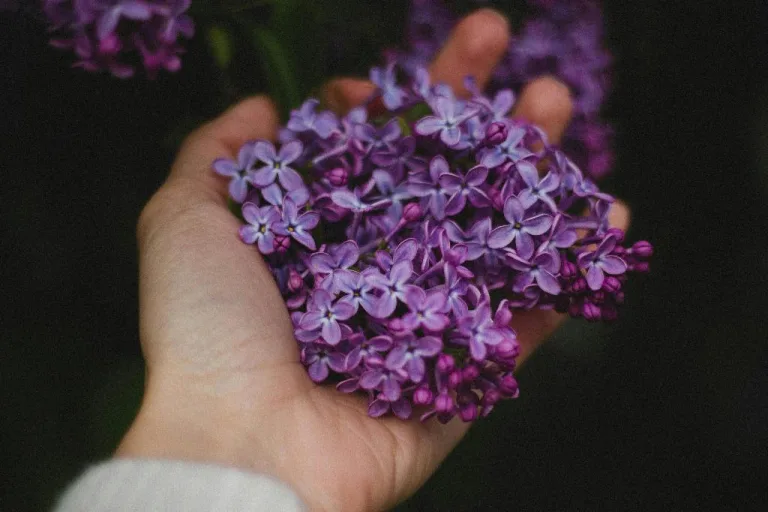
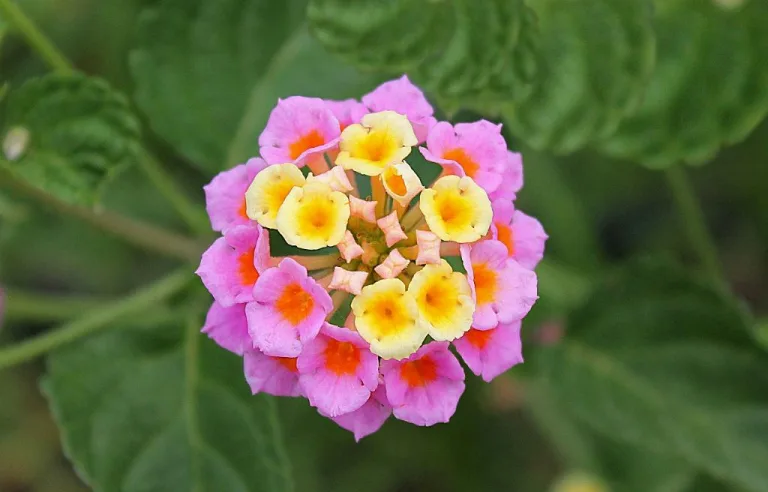
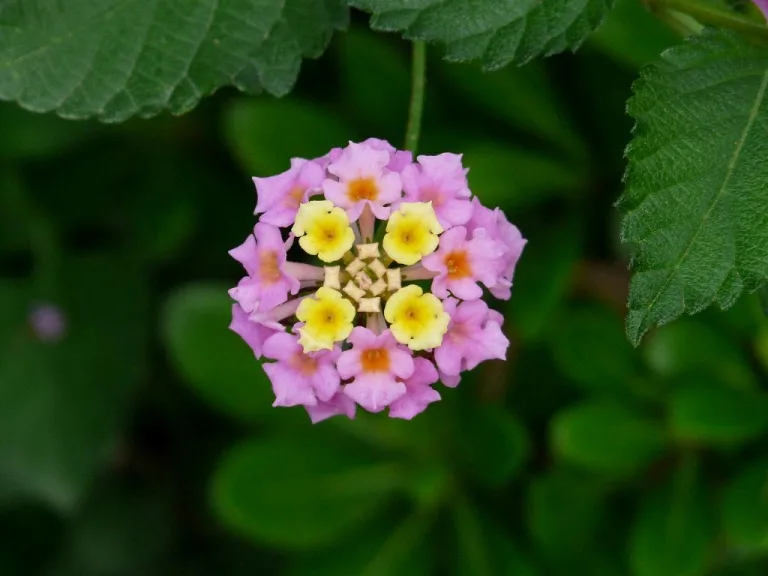
There’s always someone wanting to capitalize on the green movement, why not a flower company, too? Ota will market carbon offset plants for homes and offices that come in pots that combine six kinds of plants such as the orchids and cacti, even at night and the company says each plant arrangement will trap 4-10kg of CO2 gas each year.
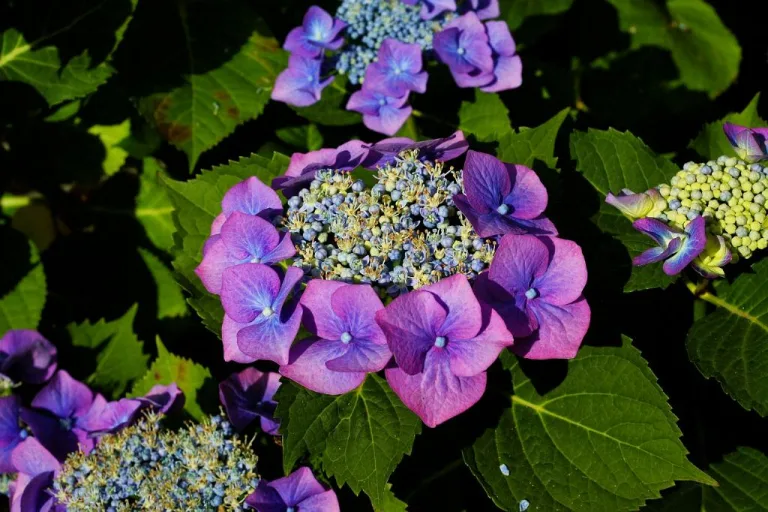
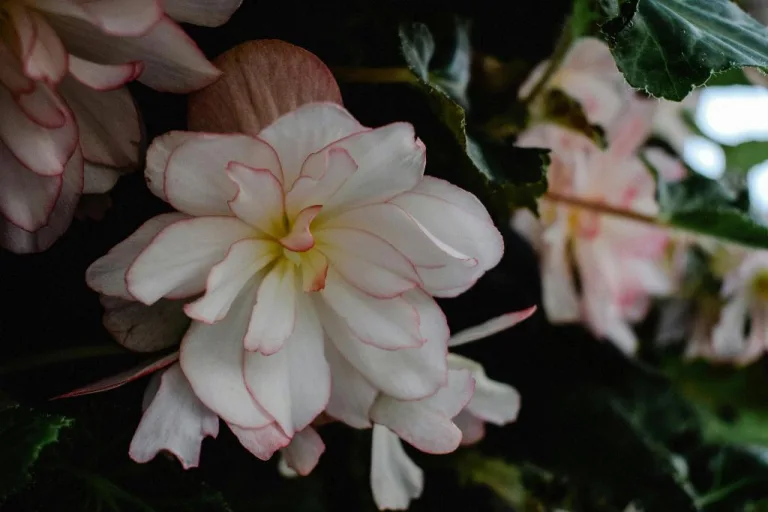
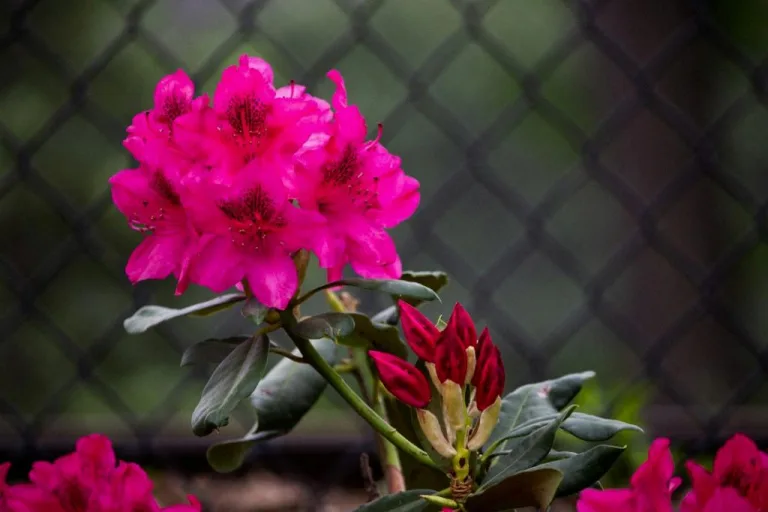
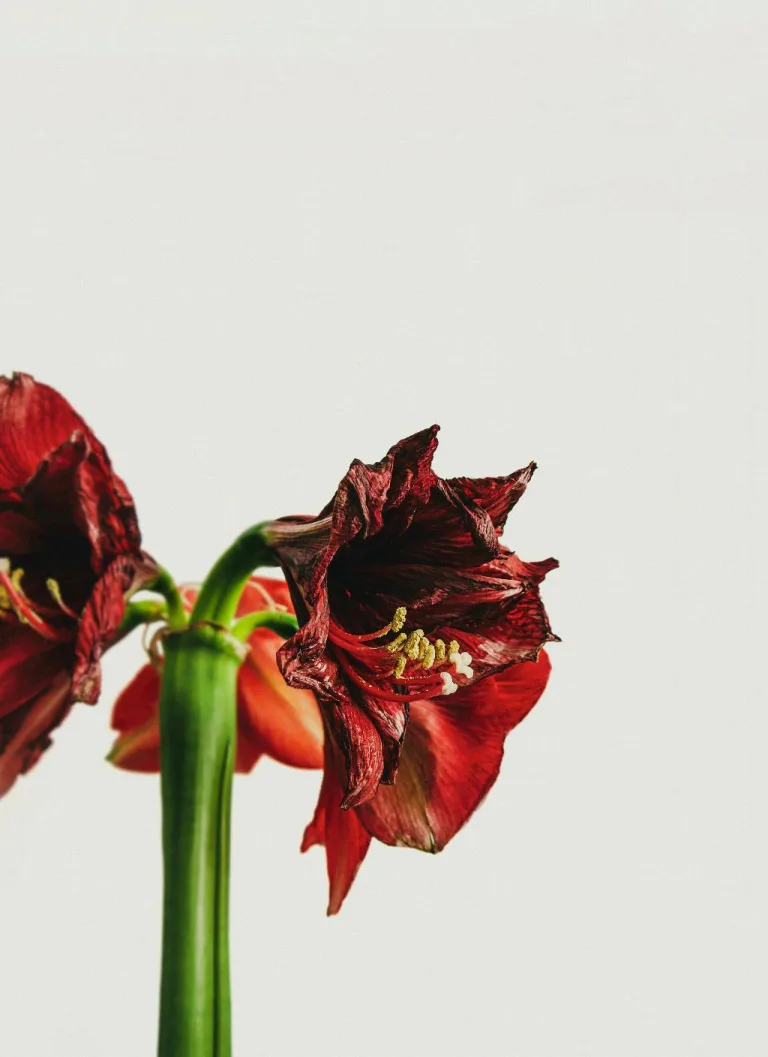
The price for having someone buy a plant to do what the plant would do anyway is going to be ¥8,000-40,000 ($85-$425). Watch for the plants to come on sale by Thanksgiving. – via Nikkei (sub needed)

Images by Rosberond, cobalt123

Monday
Oct 27,2008

It seems there is an intelligent greenhouse (as opposed to a stupid one, I reckon) in Tianjin, China. The greenhouse is built to show off new agricultural technologies like soilless culture and drip irrigation.

Huge pumpkin growing in an intelligent greenhouse in Tianjin

Huge pumpkin growing in an intelligent greenhouse in Tianjin

The greenhouse is meant to be a model of modern sightseeing agriculture. It grows huge sweet potatoes, enough lettuce to clothe hundreds of PETA girls and the world’s largest potential Halloween Pumpkin. So, if a pumpkin is raised in an intelligent greenhouse, does that make it an intelligent pumpkin? And a pumpkin grown in a patch, what kind of pumpkin would that be? – via Sina

Pictures of Shangri-La

Thursday
Oct 16,2008

There really is a Shangri-La. It is located at the center of the “Three Parallel Rivers” and is home to the Potatso National Park and Shudu Lake, Niru Area and Bitahai Nature Reserve.

Monks, (not monkeys) squirrels, fir trees and a Tibetan Buddhist Temple can be found there as well.

Ah, Shangri-La. It’s not just a hotel chain. It’s a real place.

When are you going to paradise?